
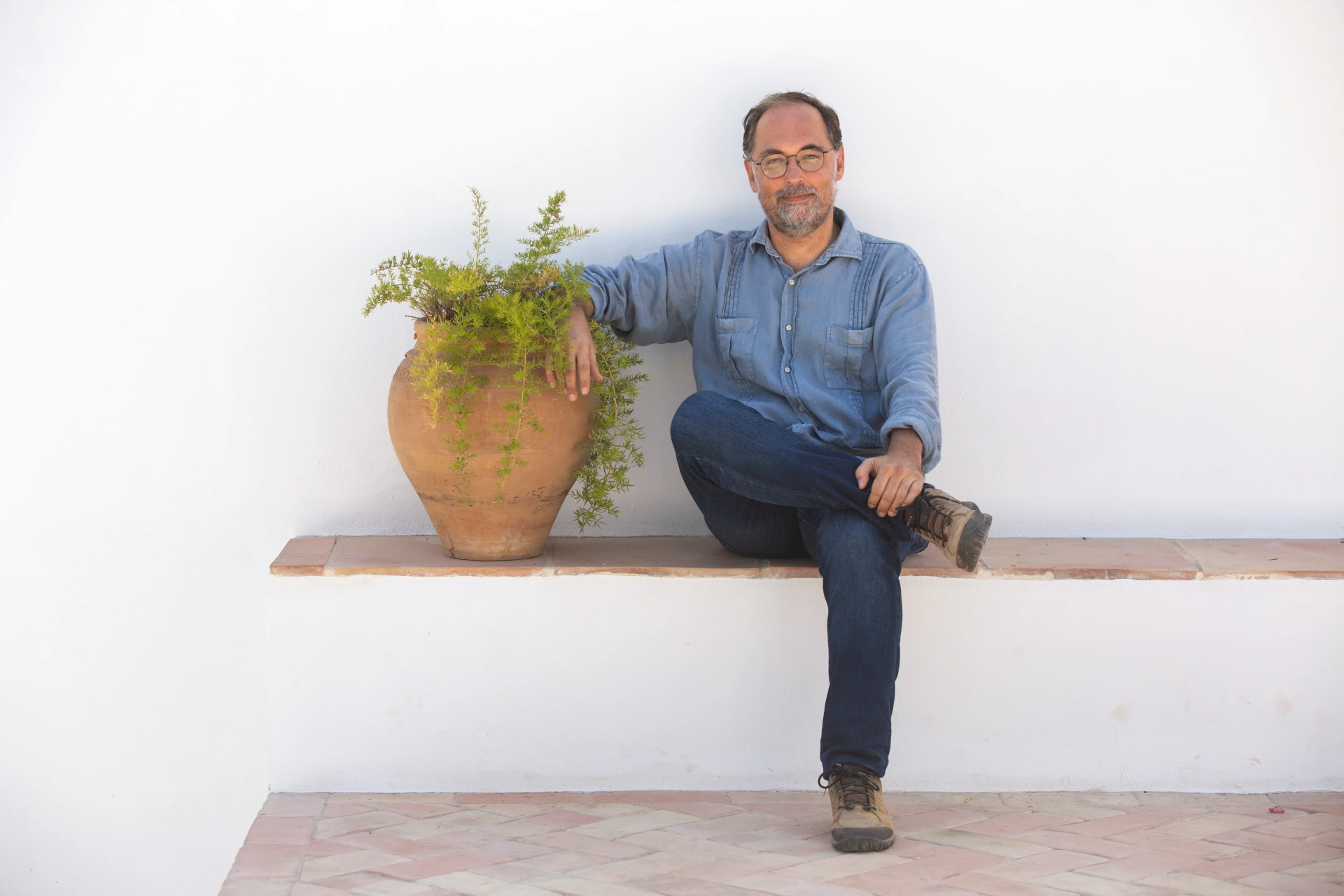
The Studio
Farfán Estudio is an architecture studio based in Málaga that designs and develops projects according to the principles of New Mediterranean Architecture in Spain and Portugal. Our work is organized around three main areas: bioconstruction, heritage rehabilitation, and new-build projects.
Led by architect Pablo Farfán Manzanares, the studio develops residential, tourism, and heritage enhancement projects.
Farfán Estudio is an architecture studio based in Málaga that designs and develops projects according to the principles of New Mediterranean Architecture in Spain and Portugal. Our work is organized around three main areas: bioconstruction, heritage rehabilitation, and new-build projects. Led by architect Pablo Farfán Manzanares, the studio develops residential, tourism, and heritage enhancement projects.
Architect graduated from the Polytechnic University of Madrid (registered with COAM, no. 14,397). In 2001, he founded his own studio, specializing in the rehabilitation of historic heritage and the execution of contemporary architecture with a bioclimatic design approach, inspired by vernacular architecture and the use of local ecological materials. He currently develops the concept of New Mediterranean Architecture, integrating traditional construction systems such as rammed earth and armadura timber roof structures into new-build residential, tourism, and public projects.
He has rehabilitated more than twenty heritage buildings and, as a researcher, designed and coordinated the European Cross-Border Cooperation Project “Biourb”. He has collaborated as an expert in bioconstruction with the University of Granada, Pablo de Olavide University, ETH Zurich, the Ministry of Culture, and the Ministry for Ecological Transition and the Demographic Challenge. In addition to working as an architect on projects in Málaga, Granada, and Cádiz, he is currently researching Nasrid vernacular architecture and its presence in the villages of the Axarquía region and the Sierra de Bentomiz.
Pablo Farfán, Architect
Registered with COAM under no. 14,397. In 2001, he founded his own studio specializing in historic heritage rehabilitation and the development of contemporary architecture with a bioclimatic design approach, inspired by vernacular architecture and the use of local ecological materials.
He currently develops the concept of New Mediterranean Architecture, applying traditional construction systems such as rammed earth and timber framing to new-build residential, tourism, and public projects.
In addition to working as an architect on projects in Málaga, Granada, and Cádiz, he researches Nasrid vernacular architecture and its presence in the villages of the Axarquía region and the Sierra de Bentomiz.
2001
Founding of the Studio
Specialization in heritage rehabilitation and contemporary bioclimatic architecture.
+20
Heritage Buildings Rehabilitated
Interventions that preserve the historical and constructive value of each building.
EU
European “Biourb” Project
Design and coordination of the European Cross-Border Cooperation Project on bioconstruction.
R&D
Expert in Bioconstruction
Collaborations with the University of Granada, Pablo de Olavide University, ETH Zurich, the Ministry of Culture, and the Ministry for Ecological Transition.
NAM Method
NAM is based on three principles that we apply to all our projects, from single-family homes to the rehabilitation of heritage buildings:
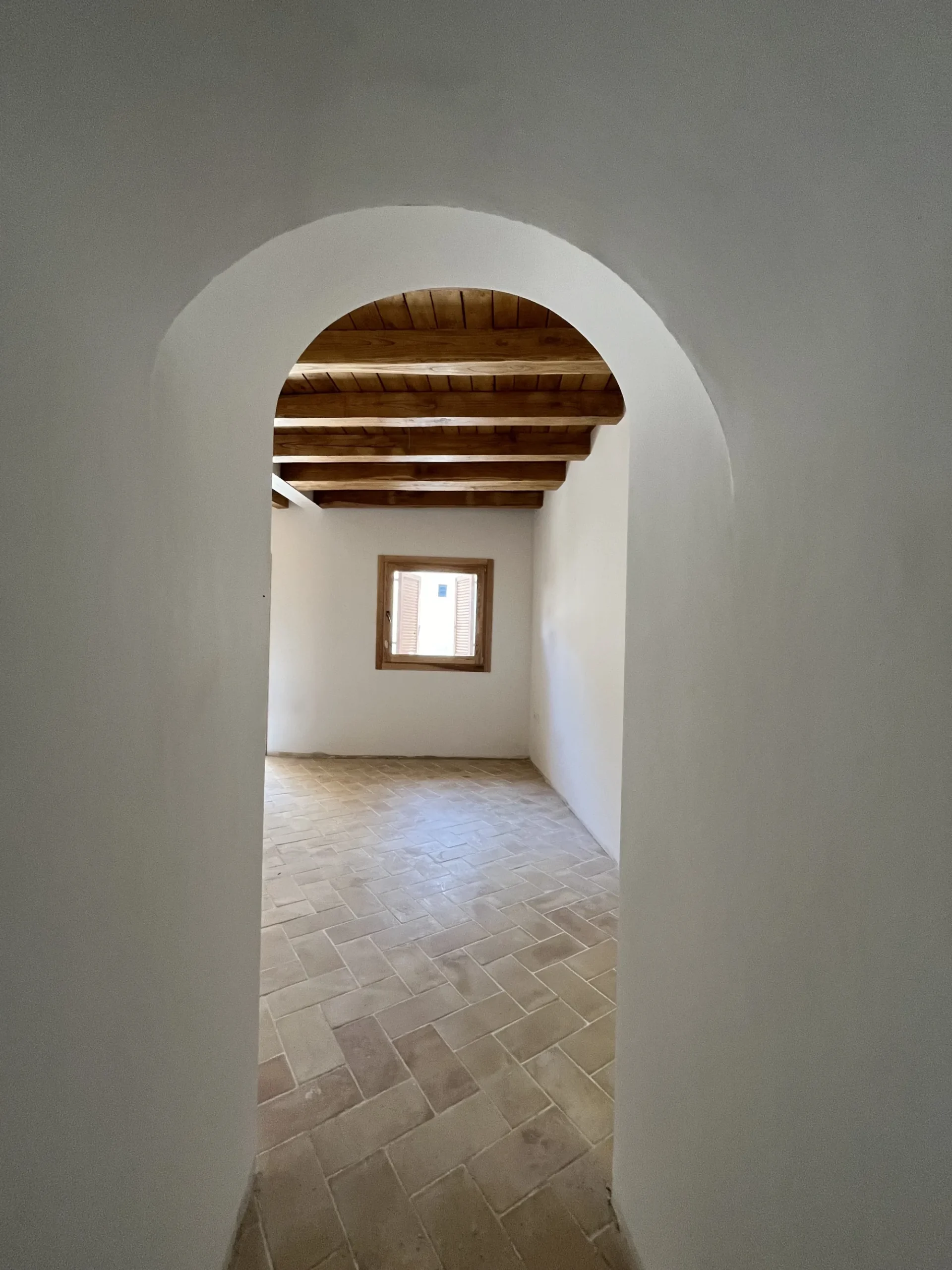
Before designing, we study the solar orientation, prevailing winds, and topography of each site. The aim is for the architecture itself—not mechanical systems—to do most of the work in keeping the house cool in summer and warm in winter.
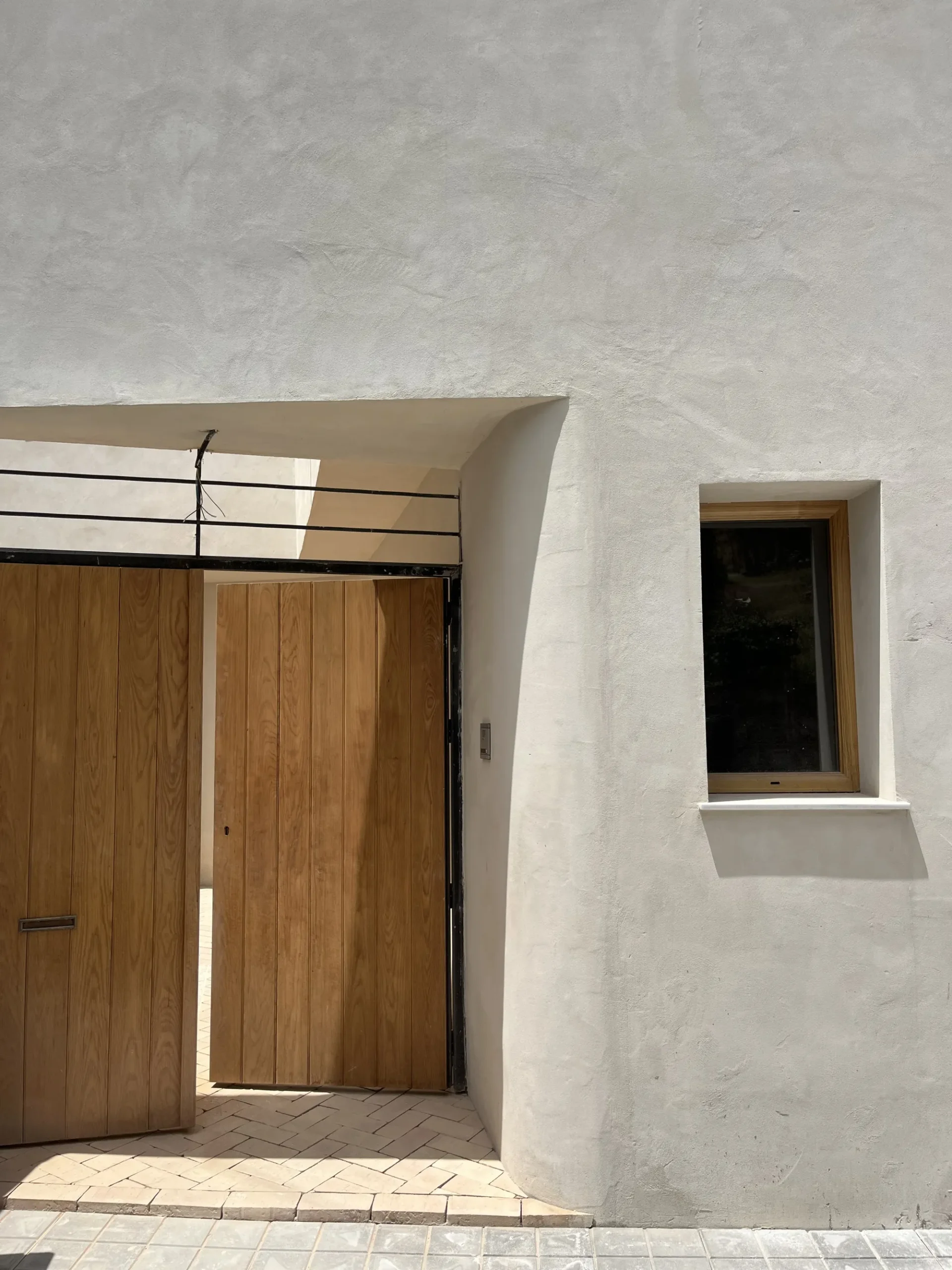
Before designing, we study the solar orientation, prevailing winds, and topography of each site. The aim is for the architecture itself—not mechanical systems—to do most of the work in keeping the house cool in summer and warm in winter.
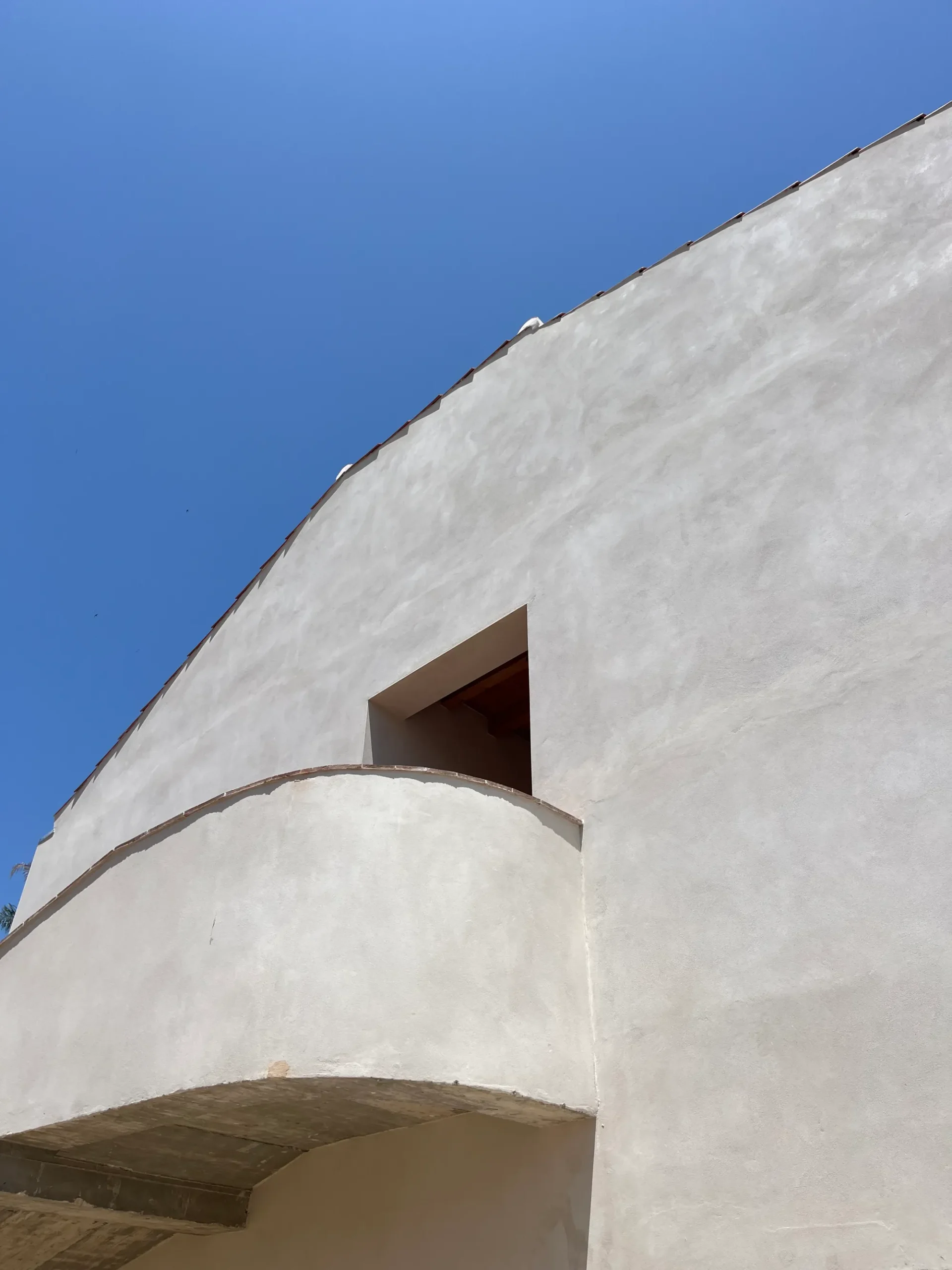
We design each home with energy and water self-sufficiency in mind: solar energy collection, rainwater harvesting, and passive systems that reduce dependence on external resources.
As featured in